 |
|||||||||
|
| |||||||||
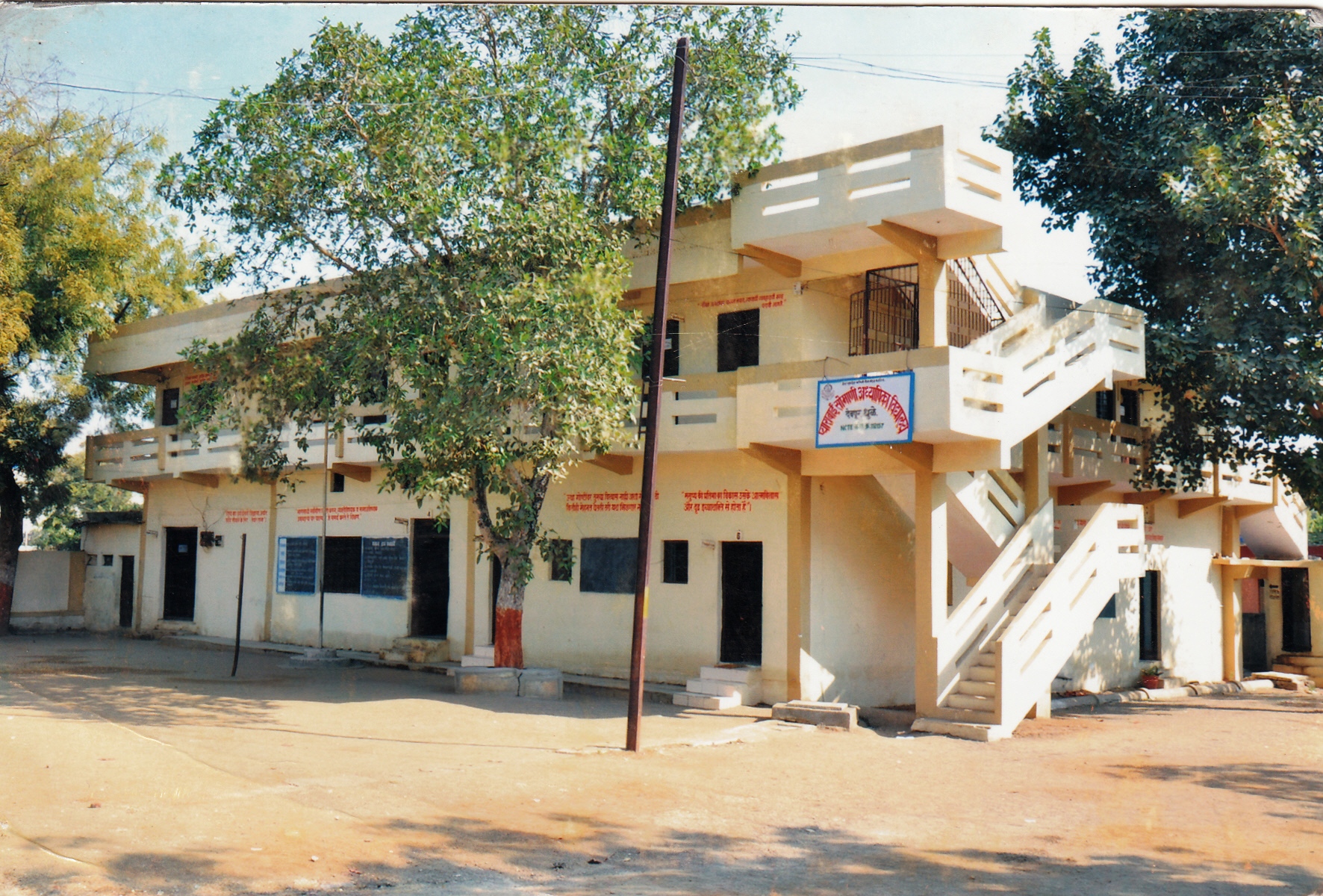
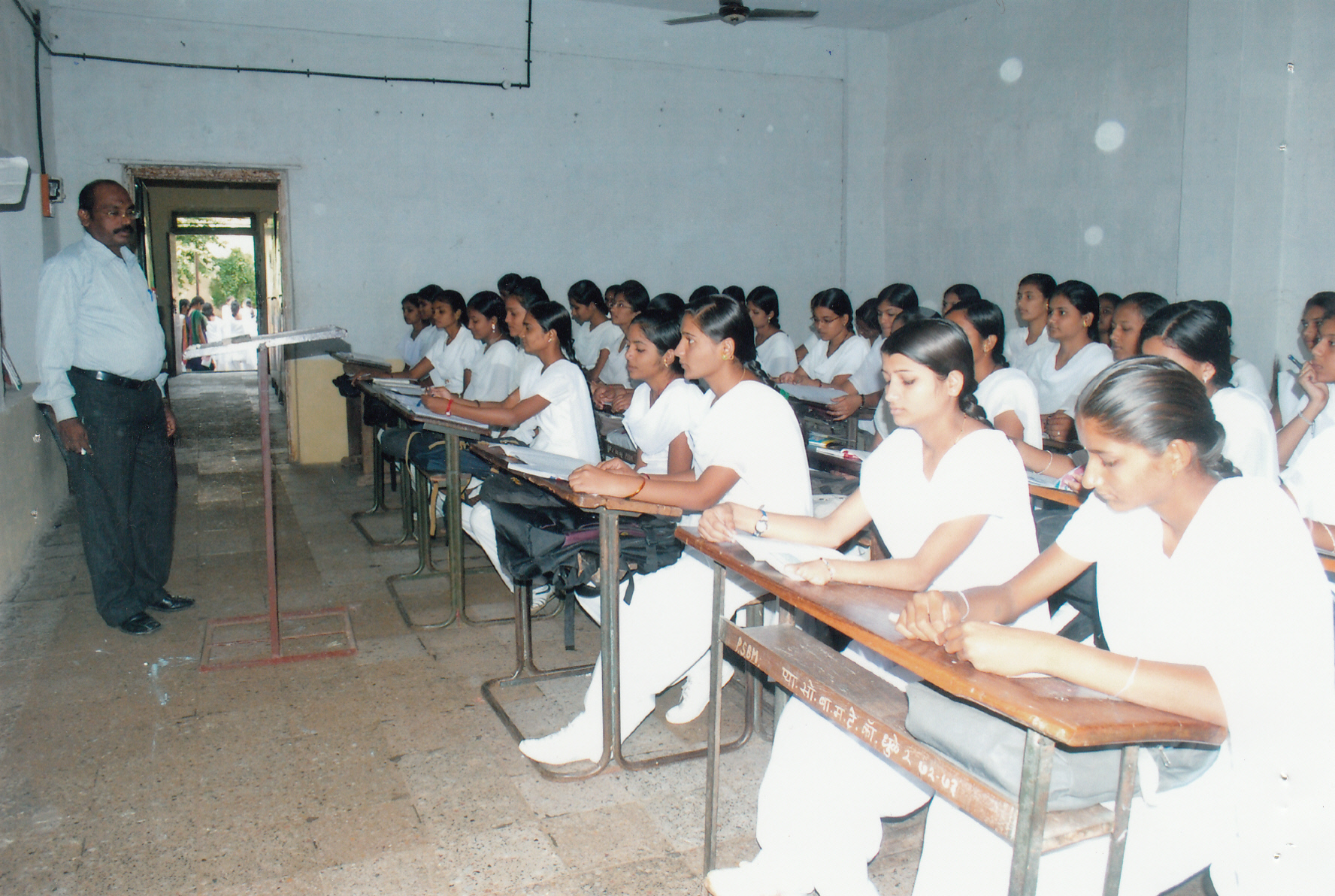
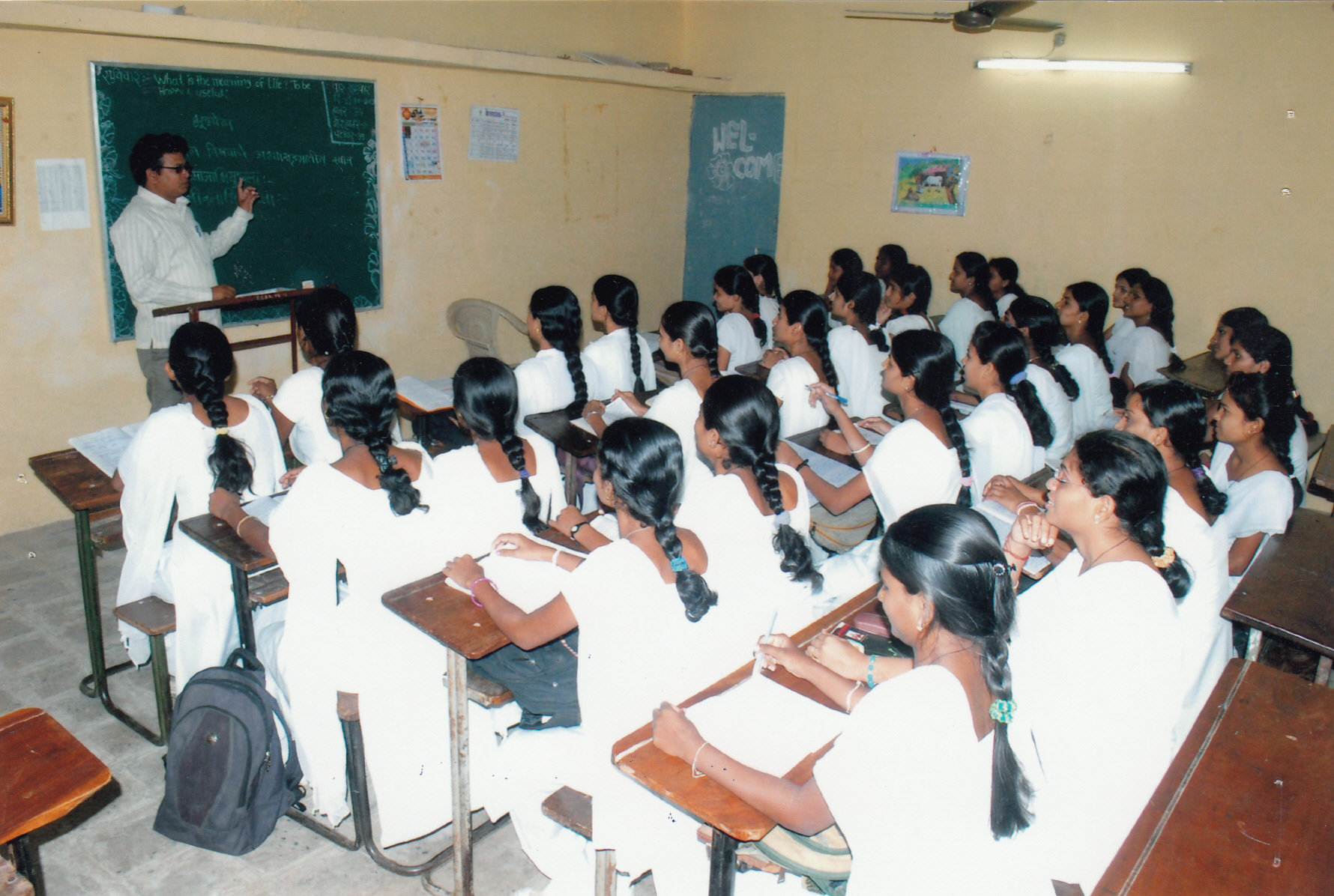
INFRASTRUCTURE DETAILS : |
 |
 |
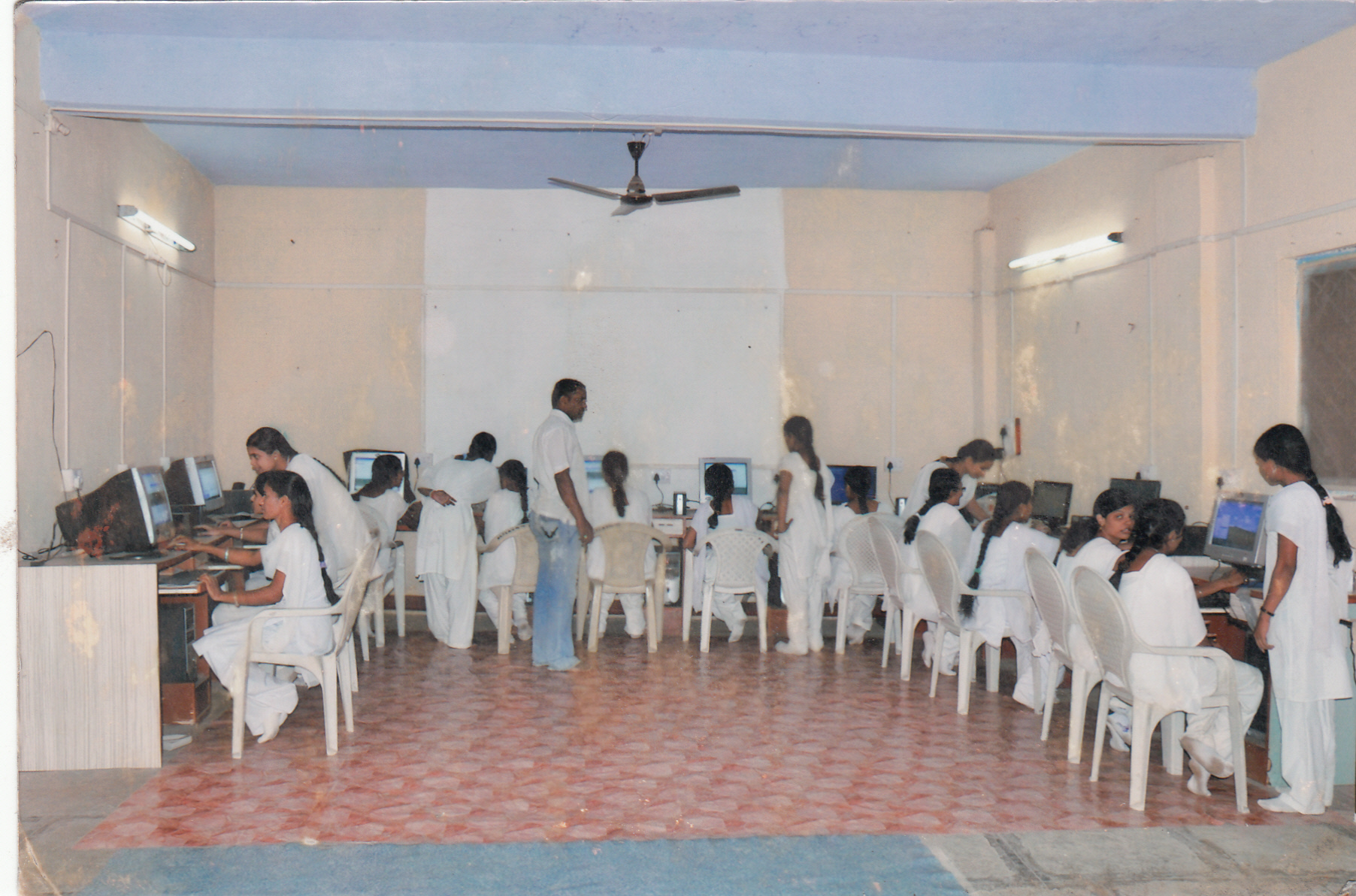
Computer Lab Photo Gallery
 |
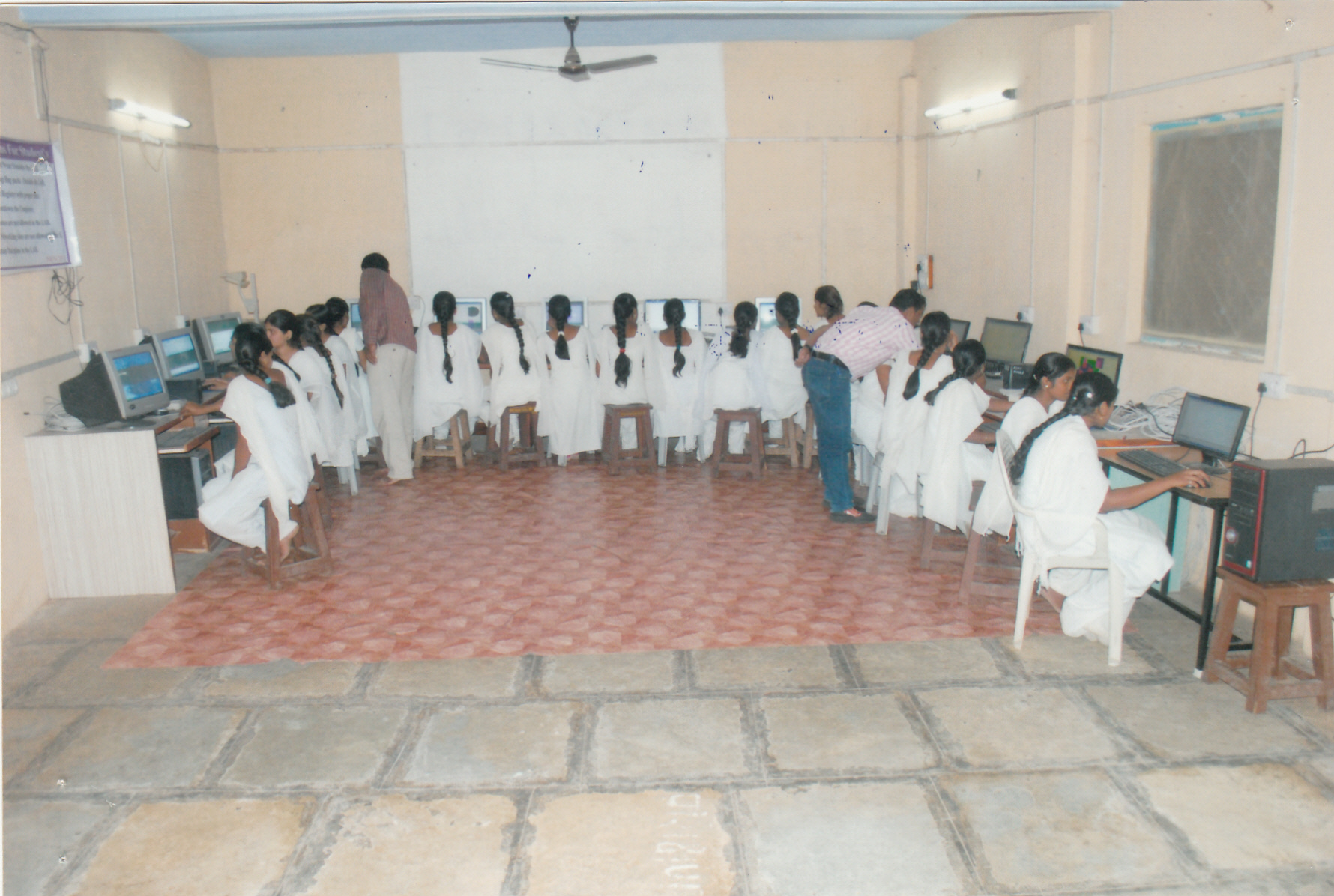 |
Computer Lab information:
Technology plays a major role in twenty-first century education. The new model
of integrating technology into the curriculum means that computers are on demand
throughout the college day. Technology teachers and administrators face the task
of developing a technology plan that makes the most effective and efficient use
of the computer hardware available to them. Whether using desktops or laptops,
Macs or PCs, the computer lab remains the center for most computing activity in
training college.
Students, faculty and staff have access to the computer labs, which provide the
tools and technologies to produce websites, edit papers, complete class
assignments, communicate via email, conduct data analyses and access library
resources. Microsoft Windows software is available for word processing,
statistics, spreadsheets and database management. A variety of graphics and
website-creation software programs are also
available..
This lab features 11 personal-computing workstations with Microsoft Windows and Office
applications, plus printer and scanner
capabilitiy. A number of specialty software packages, such as graphic, web
design and statistical analysis programs, are also available. Lab consultant
staff can assist students with little or no prior computer experience. Printing
services are offered .
Objectives of Computer Lab.
1To provide opportunity for the study of modern methods of information
processing and its applications;
2. To acquaint students with knowledge of the
computer systems with emphasis on their uses and limitation;
3. To develop among students the programming
techniques and the problem solving skills through programming;
4. To foster among students an interest and
confidence in using computers;
5. To encourage an understanding of the
implications of computers in the modern world;
6. To prepare students who wish to go on to
further studies in computer science and related subjects.
 |
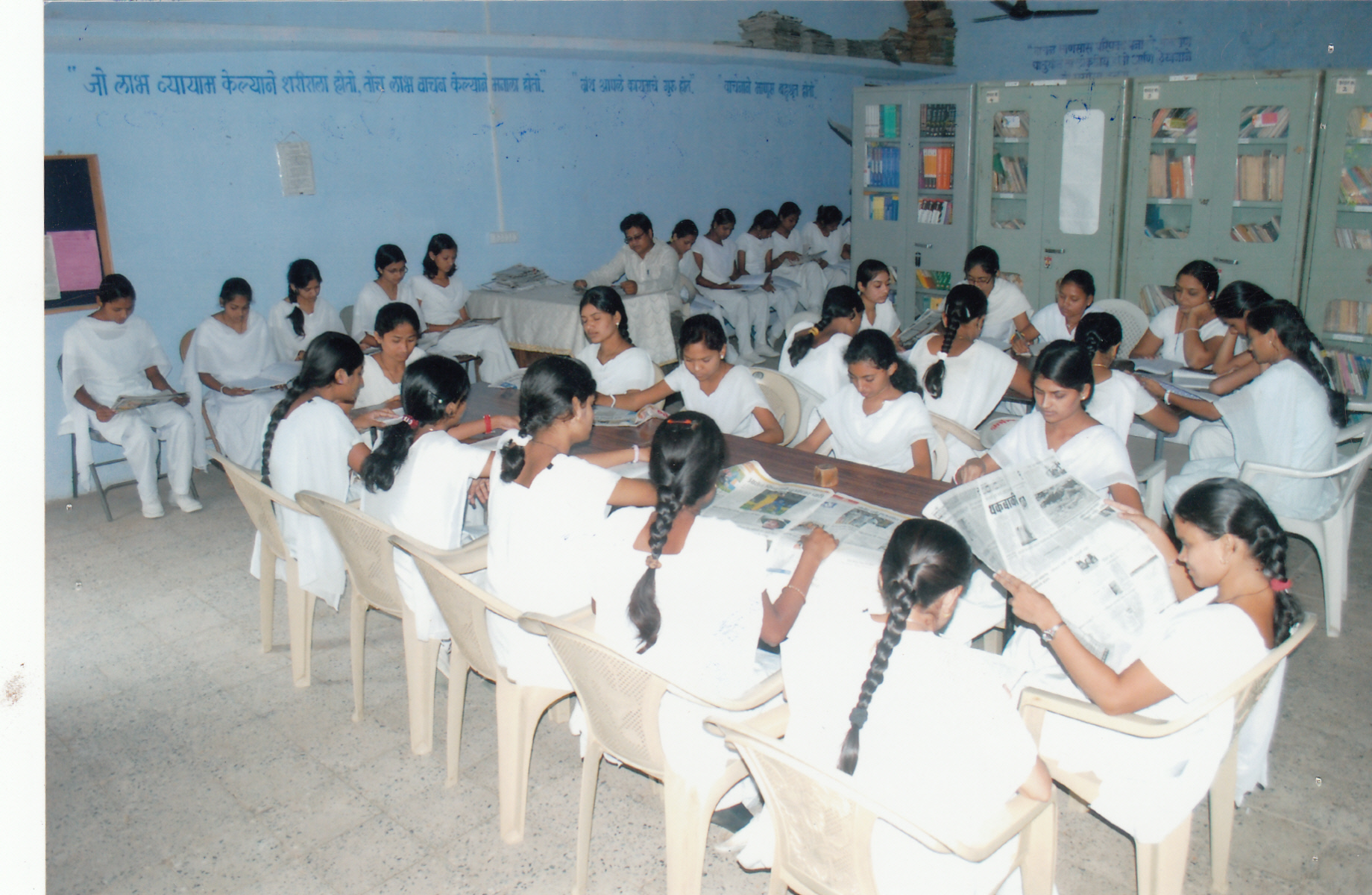 |
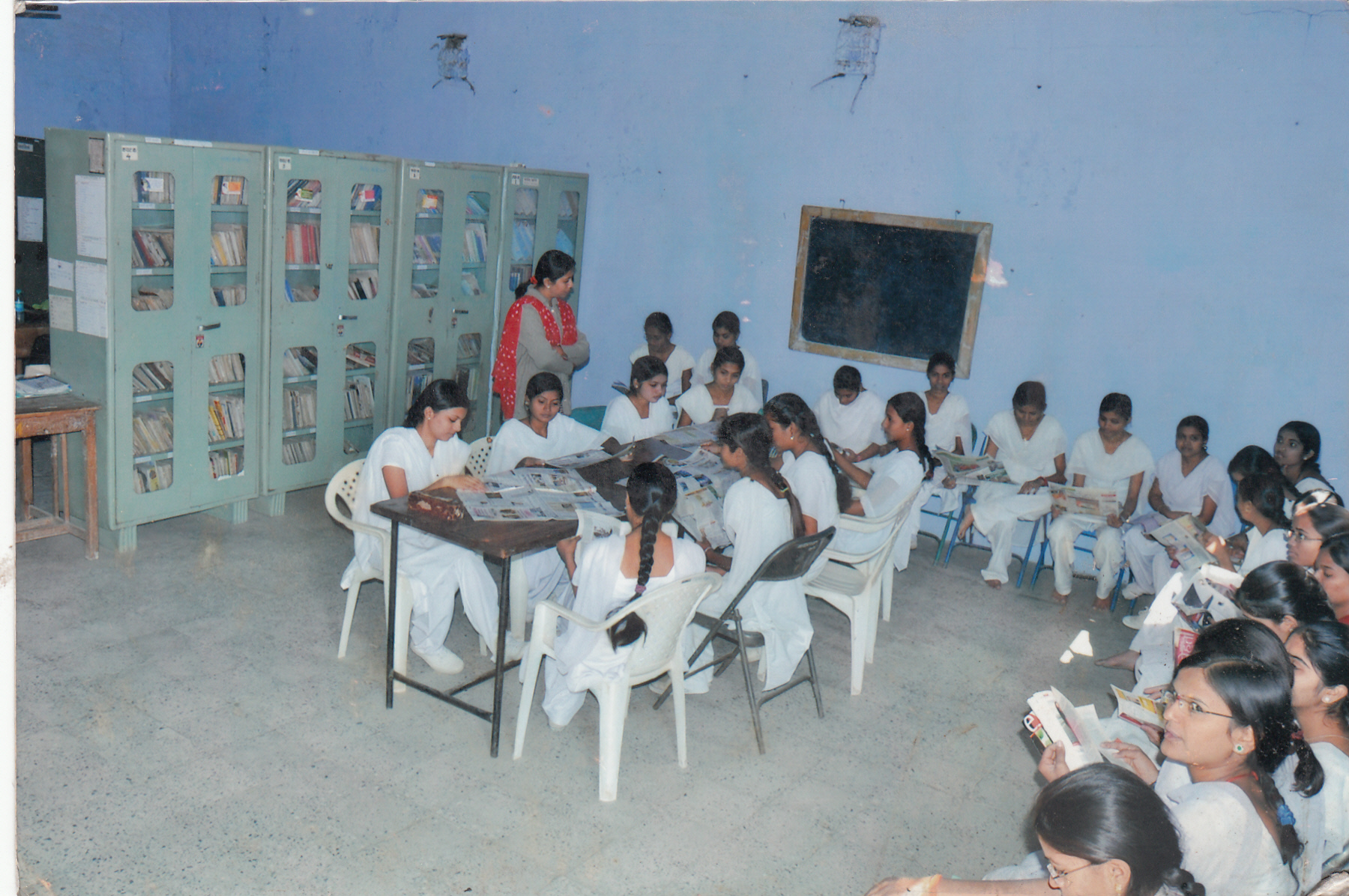
A library is a place for all types of
general printed and manuscript information to be stored together. The main
purpose of the library is the collection of knowledge and information. Leaders
come to the library to use these tools and are returned in limited time. The
concept of a modern library has changed. The library is a place for information
exchange. Because the reader comes to ask for database information without
asking for a book.
Library is important and compelling to
schools and colleges. This makes it a habit of reading contextually. Many texts
can be found in one place for writing. Visual media also appear in libraries
during the changing times.
The nature of the new libraries is
computerized. The search for information is made possible over the Internet. You
can also search for information on the website of that library with proper
membership.
Various types of services have to be
organized in order to provide proper reading material in a short amount of time
and considering the many factors such as increased volume of knowledge tools,
huge availability of publications, increase of information, financial problems
of the library etc.
Objectives of Library
2. To provide a source of
information which, when consulted, may enable pupils to make informed judgments;;
4. To provide materials representative of religious, ethnic and cultural groups and their contribution to the American heritage;
5. To place principle above personal
opinion and reason above prejudice in the
selection of materials of the highest quality in order to assure a comprehensive
collection appropriate for the users of the library media center.
 |
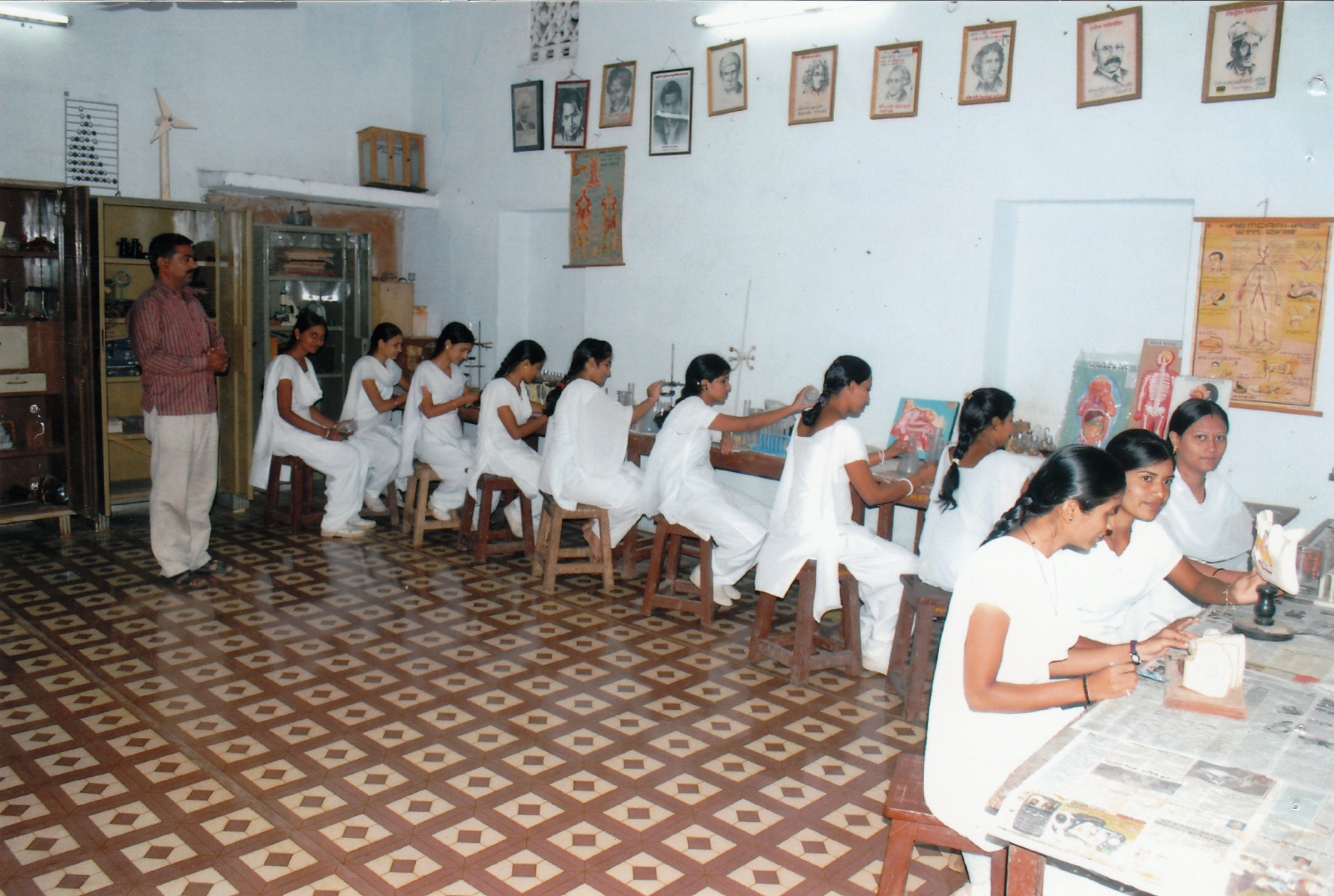 |
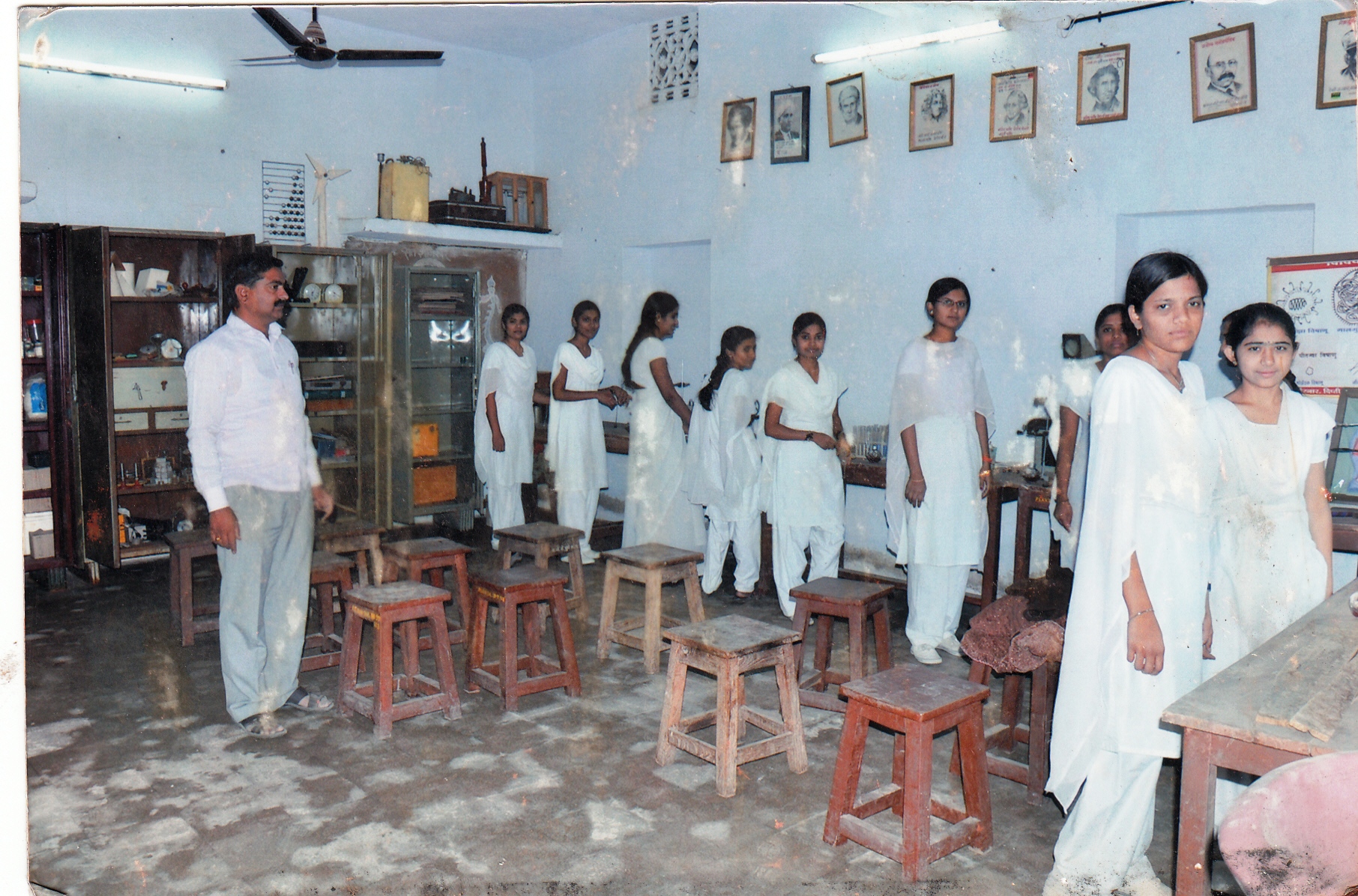
A Science lab is a workplace for the conduct of scientific research. It helps
students to remember the concepts better. It helps to transfer the experience to
other learning situations. It is a facility that provides controlled conditions
in which scientific research, experiments and measurement may be
performed.
Objectives of
Science Lab.
·
Develop inquiring minds and curiosity about science and the natural world
·
acquire knowledge, conceptual understanding and skills to solve problems and
make informed decisions in scientific and other contexts
·
develop skills of scientific inquiry to design and carry out scientific
investigations and evaluate scientific evidence to draw conclusions
·
communicate scientific ideas, arguments and practical experiences accurately
in a variety of ways
·
think analytically, critically and creatively to solve problems, judge
arguments and make decisions in scientific and other contexts
·
appreciate the benefits and limitations of science and its application in
technological developments
·
understand the international nature of science and the interdependence of
science, technology and society, including the benefits, limitations and
implications imposed by social, economic, political, environmental, cultural and
ethical factors
·
demonstrate attitudes and develop values of honesty and respect for
themselves, others, and their shared environment.
|
Copyright © 2019 - All Rights Reserved Pyarabai Somani Adhyapika Vidyalaya , Vidyanagari Deopur Dhule Maharashtra